From Studio DB.
Our eBook will start downloading once you click the below button. Thank you.
Click here to find out more about us0800 999 000sales@studiodb.co.nzDownload eBookOops! Something went wrong while submitting the form.
Explore how Studio DB approaches modern public sector design in New Zealand through strategy, sustainability, cultural understanding, and future focused workplace solutions.
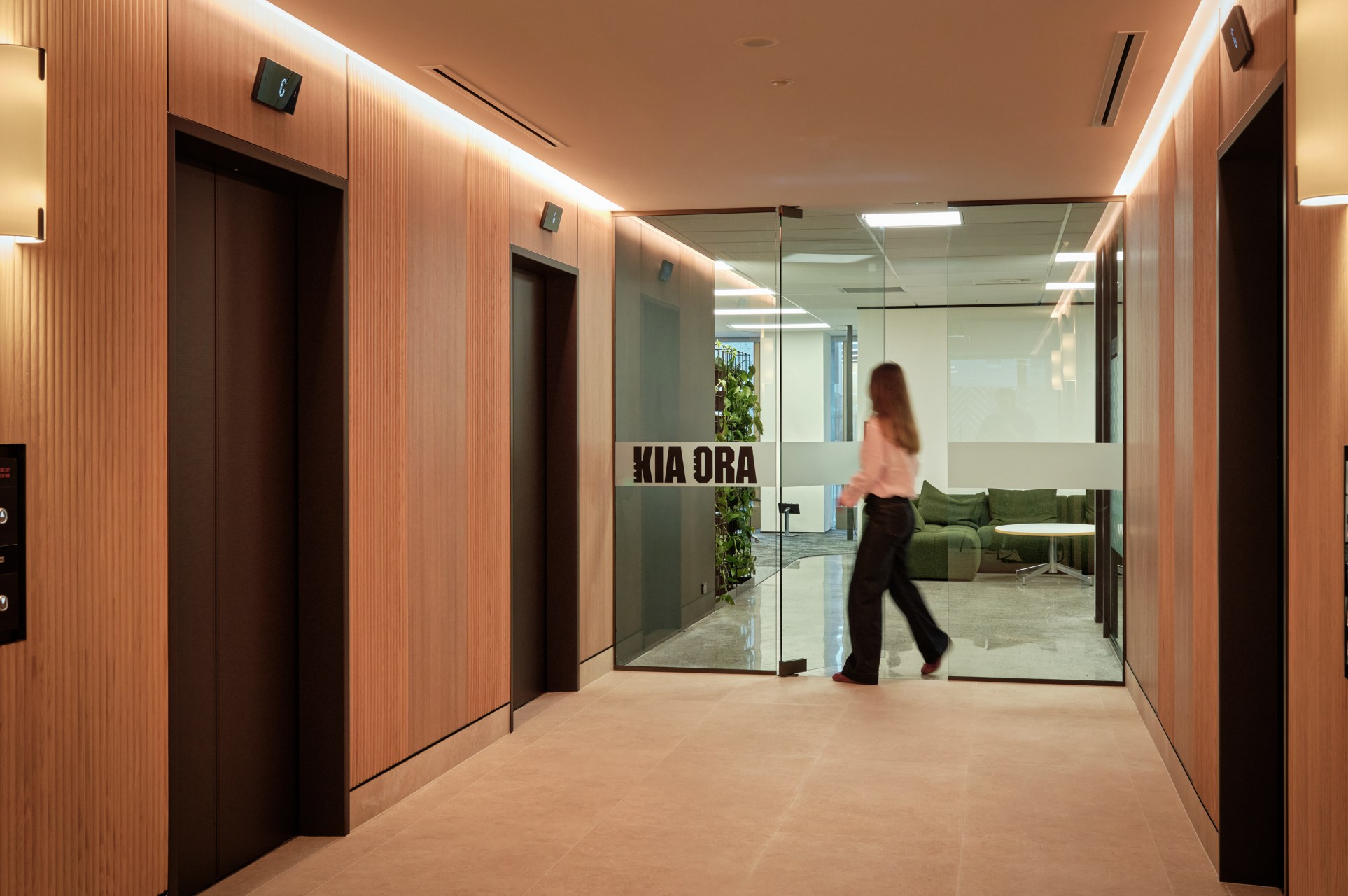
Public sector design in New Zealand has entered a new era. Government offices and civic workplaces are no longer viewed simply as functional containers for administration. Today, they are expected to support people, reflect public values, respond to cultural context, and deliver long term value for taxpayers. Studio DB has emerged as a leading force in this transformation, redefining how public sector environments are designed, delivered, and experienced across Aotearoa.
Studio DB’s approach to modern public sector design is grounded in strategy, sustainability, cultural awareness, and practical delivery. Rather than focusing solely on visual outcomes, the studio works holistically to ensure each project supports organisational goals, employee wellbeing, and future adaptability. Their work demonstrates how thoughtful design can strengthen public institutions while meeting the complex expectations placed on government environments.
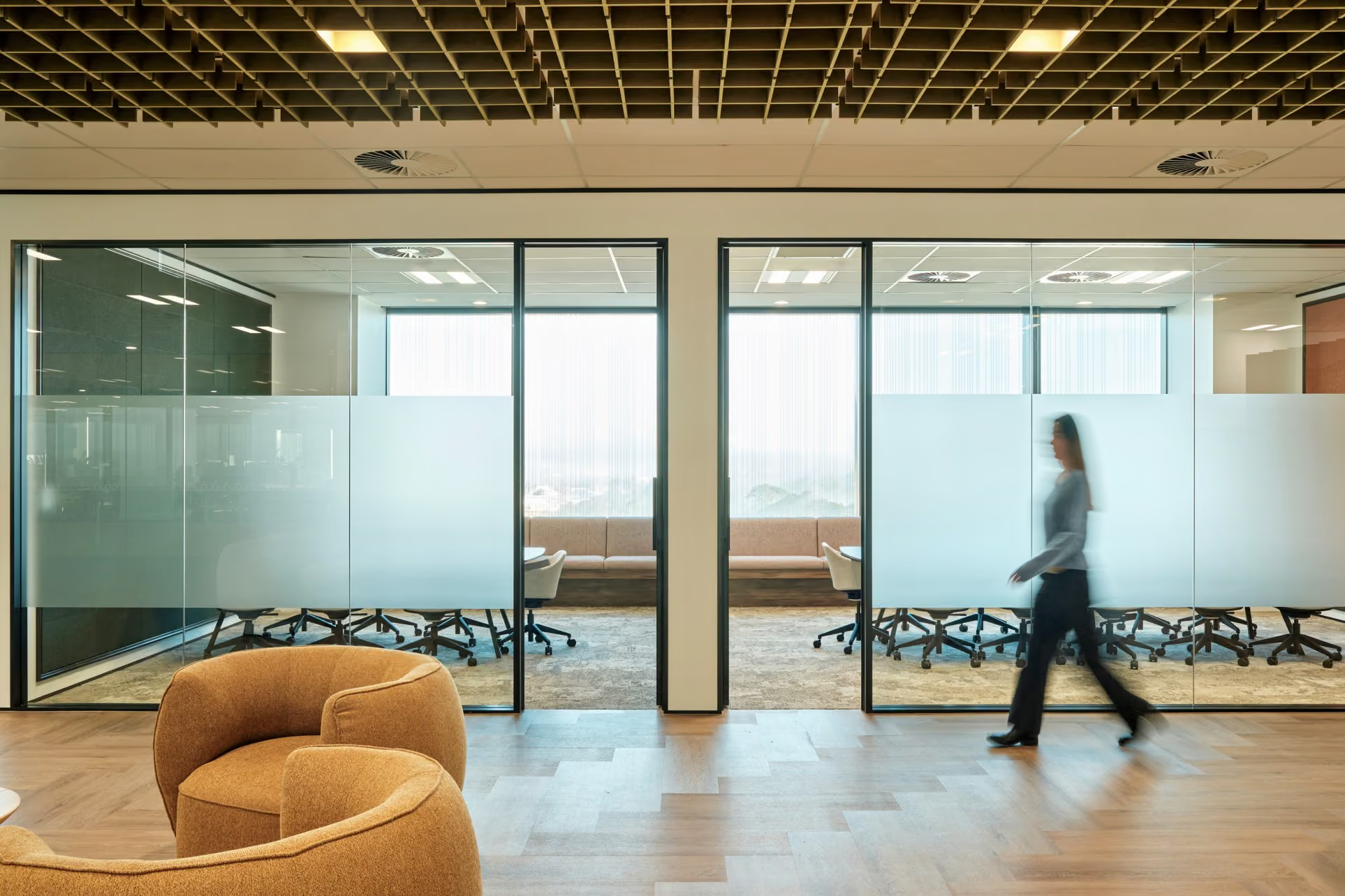
Public sector workplaces in New Zealand have undergone significant change over the past decade. Shifts in technology, working patterns, and public accountability have reshaped expectations around how government organisations operate. Traditional office layouts based on hierarchy and fixed desks are giving way to more flexible environments that encourage collaboration, transparency, and efficiency.
At the same time, public agencies face increasing pressure to justify expenditure, reduce environmental impact, and create inclusive spaces that represent the diverse communities they serve. Design has become a strategic tool rather than a final aesthetic step. It must support policy outcomes, workforce productivity, and social responsibility.
Studio DB operates at the intersection of these demands. Their work reflects a deep understanding of how public sector organisation's function and how design can enhance both performance and perception. By aligning physical environments with organisational purpose, Studio DB helps government agencies navigate change while maintaining stability and trust.
Studio DB’s philosophy is rooted in the belief that great design begins with understanding people and purpose. Every public sector project starts with a clear investigation into how an organisation works, what it values, and where it is heading. This strategic foundation informs every design decision, from spatial planning to material selection.
The studio places strong emphasis on future readiness. Public sector organisations must be able to adapt to evolving policies, technologies, and workforce needs. Studio DB designs spaces that are flexible and resilient, allowing for change without costly disruption. This future focused mindset ensures that public investment delivers value over the long term.
Sustainability is another core pillar of the studio’s approach. Environmental responsibility is treated as an essential requirement rather than an optional feature. The studio considers lifecycle impact, energy efficiency, material reuse, and long-term operational costs from the earliest stages of design.
Equally important is deliverability. Public sector projects demand precision, accountability, and compliance with governance frameworks. Studio DB integrates design and delivery expertise to ensure projects are completed on time, within budget, and to a high standard of quality.
One of the defining aspects of Studio DB’s work is its emphasis on workplace strategy. Public sector design must respond to complex organisational structures, diverse teams, and varied operational requirements. Studio DB approaches this challenge by embedding strategy at the core of the design process.
Workplace strategy involves understanding how people use space, how teams collaborate, and how physical environments can either support or hinder performance. Studio DB works closely with stakeholders to analyse current workplace behaviours and identify opportunities for improvement. This may include rethinking space utilisation, improve workflow efficiency, or support new ways of working such as hybrid models.
Insights drawn from public sector design projects help shape practical and proven solutions that reflect real operational needs rather than abstract concepts. This ensures that design outcomes remain functional, adaptable, and effective over time.
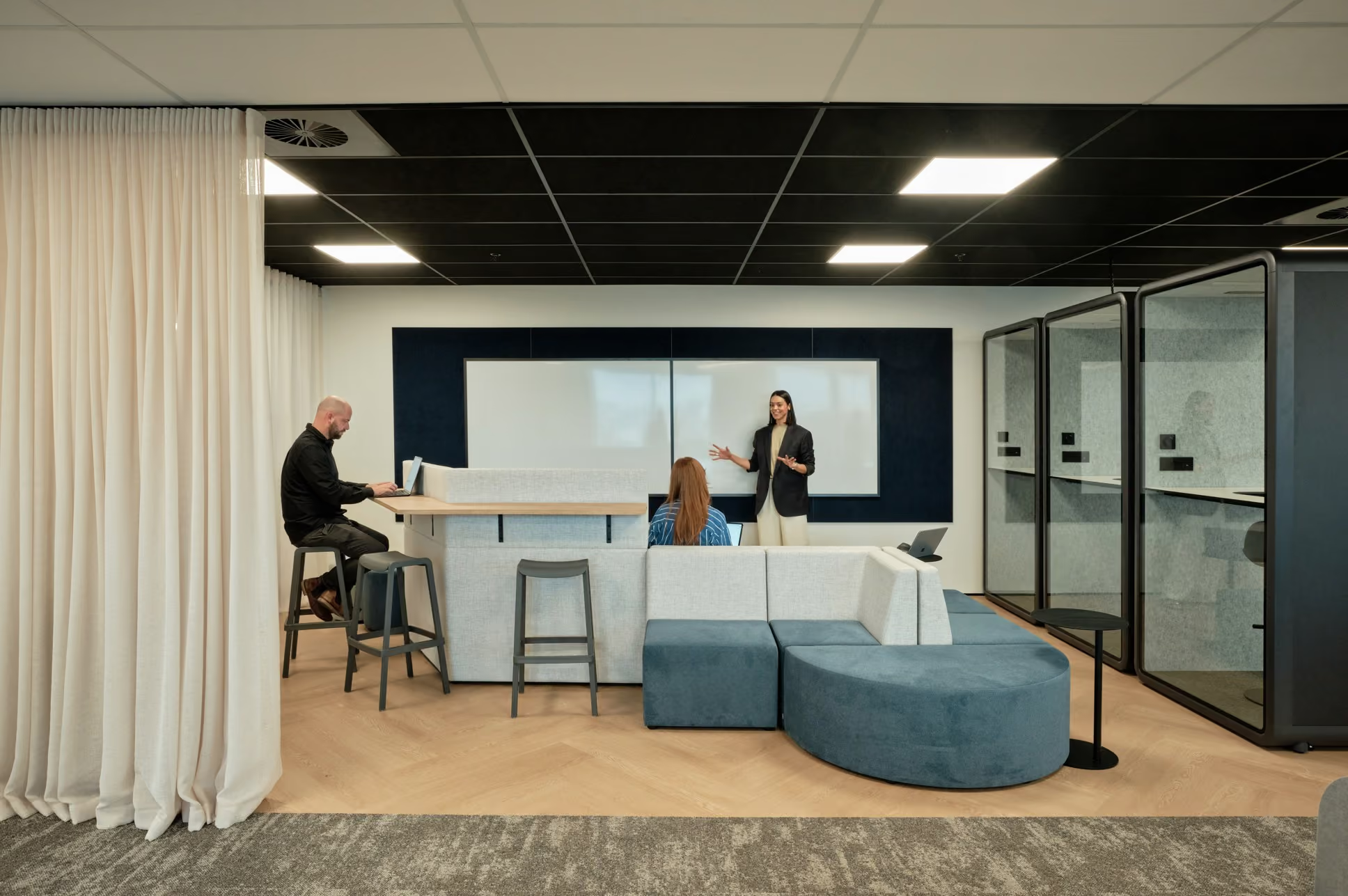
The result is a design that aligns space with function. Quiet areas support focused work, collaborative zones encourage teamwork, and shared spaces foster connection across departments. These environments help public sector employees work more effectively while improving overall workplace satisfaction.
Employee wellbeing has become a critical consideration in public sector design. Research consistently shows that workplace environments influence physical health, mental wellbeing, and productivity. Studio DB recognises that public sector employees perform better when they feel comfortable, supported, and valued.
Their designs prioritise natural light, acoustic comfort, ergonomic furniture, and access to collaborative and restorative spaces. Layouts are carefully planned to reduce noise, manage visual distractions, and support a range of work styles. These elements contribute to healthier and more engaging workplaces.
Wellbeing focused design also plays a role in talent attraction and retention. Public sector organisations compete with the private sector for skilled professionals. Modern, well-designed workplaces signal investment in people and help organisations position themselves as progressive and supportive employers.
Sustainability is a central responsibility in public sector projects. Government organisations are expected to lead by example in reducing environmental impact and promoting responsible resource use. Studio DB integrates sustainable thinking throughout the design and delivery process.
This includes selecting materials with low environmental impact, prioritising reuse where possible, and designing spaces that minimise energy consumption. Sustainable design decisions are made with long term performance in mind, reducing operational costs and supporting environmental goals.
Studio DB also understands that sustainability is not limited to environmental outcomes. Social sustainability plays an equally important role in public sector design. Inclusive spaces that are accessible, culturally respectful, and adaptable contribute to stronger communities and more equitable workplaces.
In New Zealand, public sector design carries a responsibility to reflect cultural identity and place. Studio DB recognises the importance of incorporating cultural narratives into the built environment, particularly through acknowledgment of Māori values and local context.
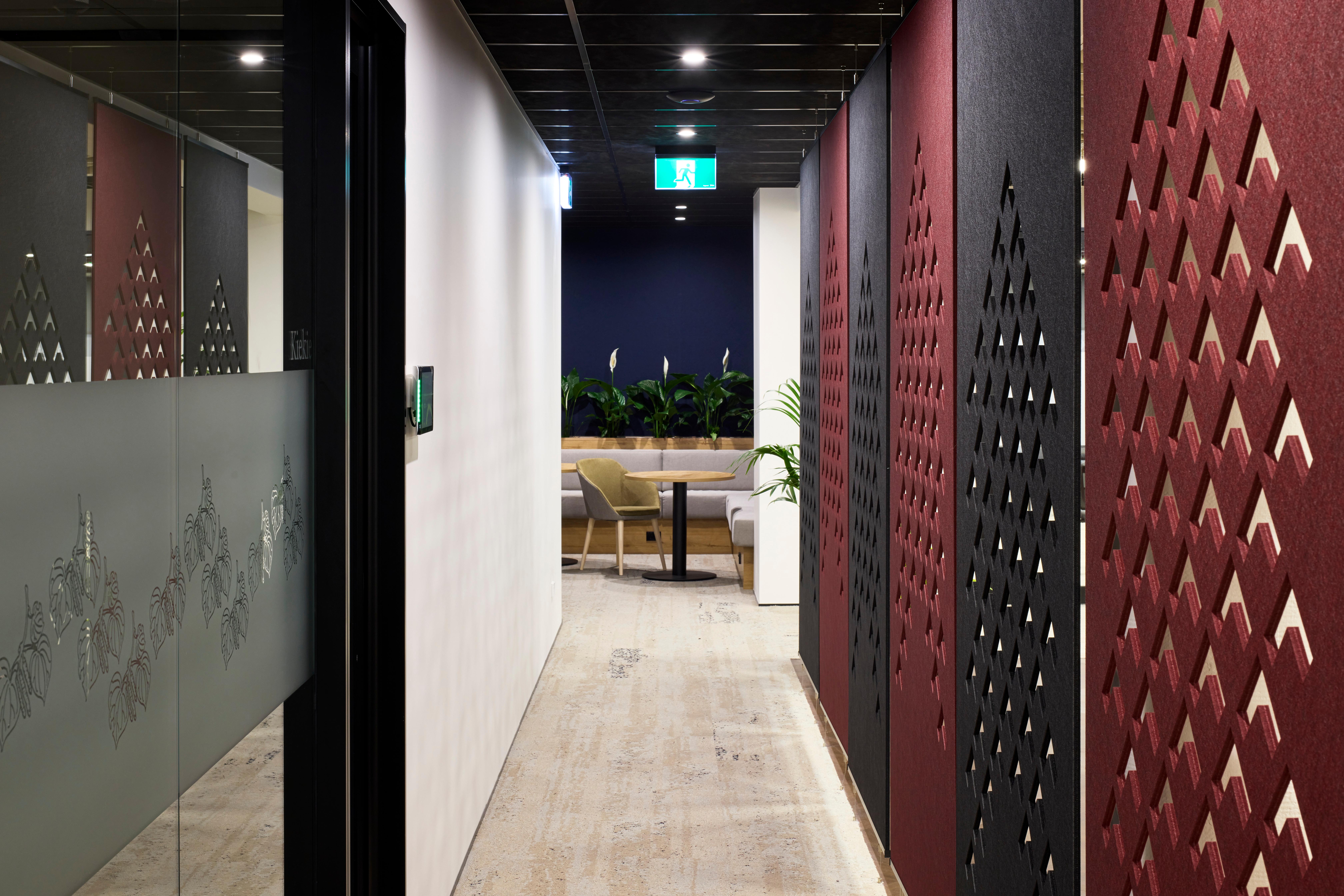
Rather than applying surface level symbolism, the studio integrates cultural thinking into spatial planning, material choices, and design storytelling. This approach creates spaces that feel authentic and meaningful while respecting tikanga and regional identity.
The principles, leadership, and people behind this work are shaped by the leadership and design team, ensuring that cultural understanding and strategic thinking remain central to every public sector project.
Public sector projects are often complex, involving multiple stakeholders, strict procurement processes, and high levels of scrutiny. Studio DB brings clarity and confidence to this environment through integrated project delivery.
By offering services that span strategy, design, and construction, the studio reduces fragmentation and improves coordination. This integrated model allows for better cost control, clearer communication, and more efficient decision making.
For organisations interested in beginning a public sector project or discussing workplace strategy, early engagement through the contact page supports clear direction and aligned expectations from the outset.
Studio DB’s approach to modern public sector design in New Zealand reflects a deep understanding of people, place, and purpose. Through strategic planning, sustainable practices, cultural awareness, and reliable delivery, the studio creates environments that support both organisational performance and public value.
Their work demonstrates that public sector design can be efficient without being impersonal, innovative without being impractical, and expressive without being excessive. By aligning design outcomes with the needs of government organisations and the communities they serve, Studio DB continues to set a strong benchmark for modern public sector design across Aotearoa.
1. What defines modern public sector design in New Zealand
Modern public sector design focuses on flexibility, sustainability, employee wellbeing, and cultural relevance while delivering long term value for public investment.
2. How does Studio DB approach public sector workplace design
Studio DB begin with workplace strategy, aligning design decisions with organisational goals, operational needs, and future adaptability rather than aesthetics alone.
3. Why is sustainability important in public sector projects
Sustainability helps reduce environmental impact, lowers long term operating costs, and supports government responsibilities toward climate and resource management.
4. How does cultural context influence public sector design
Cultural context ensures workplaces reflect local identity, respect Māori values, and create inclusive environments that connect public institutions with the communities they serve.
5. What benefits do well-designed public-sector workplaces provide
They improve employee productivity and wellbeing, support efficient service delivery, enhance public trust, and ensure spaces remain functional as organisational needs evolve.
Public sector design in New Zealand has entered a new era. Government offices and civic workplaces are no longer viewed simply as functional containers for administration. Today, they are expected to support people, reflect public values, respond to cultural context, and deliver long term value for taxpayers. Studio DB has emerged as a leading force in this transformation, redefining how public sector environments are designed, delivered, and experienced across Aotearoa.
Studio DB’s approach to modern public sector design is grounded in strategy, sustainability, cultural awareness, and practical delivery. Rather than focusing solely on visual outcomes, the studio works holistically to ensure each project supports organisational goals, employee wellbeing, and future adaptability. Their work demonstrates how thoughtful design can strengthen public institutions while meeting the complex expectations placed on government environments.
Public sector workplaces in New Zealand have undergone significant change over the past decade. Shifts in technology, working patterns, and public accountability have reshaped expectations around how government organisations operate. Traditional office layouts based on hierarchy and fixed desks are giving way to more flexible environments that encourage collaboration, transparency, and efficiency.
At the same time, public agencies face increasing pressure to justify expenditure, reduce environmental impact, and create inclusive spaces that represent the diverse communities they serve. Design has become a strategic tool rather than a final aesthetic step. It must support policy outcomes, workforce productivity, and social responsibility.
Studio DB operates at the intersection of these demands. Their work reflects a deep understanding of how public sector organisation's function and how design can enhance both performance and perception. By aligning physical environments with organisational purpose, Studio DB helps government agencies navigate change while maintaining stability and trust.
Studio DB’s philosophy is rooted in the belief that great design begins with understanding people and purpose. Every public sector project starts with a clear investigation into how an organisation works, what it values, and where it is heading. This strategic foundation informs every design decision, from spatial planning to material selection.
The studio places strong emphasis on future readiness. Public sector organisations must be able to adapt to evolving policies, technologies, and workforce needs. Studio DB designs spaces that are flexible and resilient, allowing for change without costly disruption. This future focused mindset ensures that public investment delivers value over the long term.
Sustainability is another core pillar of the studio’s approach. Environmental responsibility is treated as an essential requirement rather than an optional feature. The studio considers lifecycle impact, energy efficiency, material reuse, and long-term operational costs from the earliest stages of design.
Equally important is deliverability. Public sector projects demand precision, accountability, and compliance with governance frameworks. Studio DB integrates design and delivery expertise to ensure projects are completed on time, within budget, and to a high standard of quality.
One of the defining aspects of Studio DB’s work is its emphasis on workplace strategy. Public sector design must respond to complex organisational structures, diverse teams, and varied operational requirements. Studio DB approaches this challenge by embedding strategy at the core of the design process.
Workplace strategy involves understanding how people use space, how teams collaborate, and how physical environments can either support or hinder performance. Studio DB works closely with stakeholders to analyse current workplace behaviours and identify opportunities for improvement. This may include rethinking space utilisation, improve workflow efficiency, or support new ways of working such as hybrid models.
Insights drawn from public sector design projects help shape practical and proven solutions that reflect real operational needs rather than abstract concepts. This ensures that design outcomes remain functional, adaptable, and effective over time.
The result is a design that aligns space with function. Quiet areas support focused work, collaborative zones encourage teamwork, and shared spaces foster connection across departments. These environments help public sector employees work more effectively while improving overall workplace satisfaction.
Employee wellbeing has become a critical consideration in public sector design. Research consistently shows that workplace environments influence physical health, mental wellbeing, and productivity. Studio DB recognises that public sector employees perform better when they feel comfortable, supported, and valued.
Their designs prioritise natural light, acoustic comfort, ergonomic furniture, and access to collaborative and restorative spaces. Layouts are carefully planned to reduce noise, manage visual distractions, and support a range of work styles. These elements contribute to healthier and more engaging workplaces.
Wellbeing focused design also plays a role in talent attraction and retention. Public sector organisations compete with the private sector for skilled professionals. Modern, well-designed workplaces signal investment in people and help organisations position themselves as progressive and supportive employers.
Sustainability is a central responsibility in public sector projects. Government organisations are expected to lead by example in reducing environmental impact and promoting responsible resource use. Studio DB integrates sustainable thinking throughout the design and delivery process.
This includes selecting materials with low environmental impact, prioritising reuse where possible, and designing spaces that minimise energy consumption. Sustainable design decisions are made with long term performance in mind, reducing operational costs and supporting environmental goals.
Studio DB also understands that sustainability is not limited to environmental outcomes. Social sustainability plays an equally important role in public sector design. Inclusive spaces that are accessible, culturally respectful, and adaptable contribute to stronger communities and more equitable workplaces.
In New Zealand, public sector design carries a responsibility to reflect cultural identity and place. Studio DB recognises the importance of incorporating cultural narratives into the built environment, particularly through acknowledgment of Māori values and local context.
Rather than applying surface level symbolism, the studio integrates cultural thinking into spatial planning, material choices, and design storytelling. This approach creates spaces that feel authentic and meaningful while respecting tikanga and regional identity.
The principles, leadership, and people behind this work are shaped by the leadership and design team, ensuring that cultural understanding and strategic thinking remain central to every public sector project.
Public sector projects are often complex, involving multiple stakeholders, strict procurement processes, and high levels of scrutiny. Studio DB brings clarity and confidence to this environment through integrated project delivery.
By offering services that span strategy, design, and construction, the studio reduces fragmentation and improves coordination. This integrated model allows for better cost control, clearer communication, and more efficient decision making.
For organisations interested in beginning a public sector project or discussing workplace strategy, early engagement through the contact page supports clear direction and aligned expectations from the outset.
Studio DB’s approach to modern public sector design in New Zealand reflects a deep understanding of people, place, and purpose. Through strategic planning, sustainable practices, cultural awareness, and reliable delivery, the studio creates environments that support both organisational performance and public value.
Their work demonstrates that public sector design can be efficient without being impersonal, innovative without being impractical, and expressive without being excessive. By aligning design outcomes with the needs of government organisations and the communities they serve, Studio DB continues to set a strong benchmark for modern public sector design across Aotearoa.
1. What defines modern public sector design in New Zealand
Modern public sector design focuses on flexibility, sustainability, employee wellbeing, and cultural relevance while delivering long term value for public investment.
2. How does Studio DB approach public sector workplace design
Studio DB begin with workplace strategy, aligning design decisions with organisational goals, operational needs, and future adaptability rather than aesthetics alone.
3. Why is sustainability important in public sector projects
Sustainability helps reduce environmental impact, lowers long term operating costs, and supports government responsibilities toward climate and resource management.
4. How does cultural context influence public sector design
Cultural context ensures workplaces reflect local identity, respect Māori values, and create inclusive environments that connect public institutions with the communities they serve.
5. What benefits do well-designed public-sector workplaces provide
They improve employee productivity and wellbeing, support efficient service delivery, enhance public trust, and ensure spaces remain functional as organisational needs evolve.

Our thinking
Tell us what’s on your mind. Give us a call or send an email. Whatever works best.