From Studio DB.
Our eBook will start downloading once you click the below button. Thank you.
Click here to find out more about us0800 999 000sales@studiodb.co.nzDownload eBookOops! Something went wrong while submitting the form.
Biophilic design has moved well beyond green walls. Discover how New Zealand organisations are using nature-inspired workplaces to improve productivity, reduce absenteeism and support their people in 2026.
Biophilic design has been part of the workplace conversation for years. But in 2026, the way New Zealand organisations are approaching it has shifted significantly. The green wall moment has passed. What is emerging in its place is a more considered, evidence-based approach to connecting workplaces with nature, one that goes well beyond aesthetics and into the measurable business outcomes that matter to senior decision-makers.
For organisations investing in a commercial fitout or workplace transformation in Auckland, Wellington, Christchurch or beyond, understanding the current direction of biophilic design is not just a matter of staying on trend. To understand the foundations of this approach, read our introduction to biophilic design here. This article builds on that with the 2026 commercial business case.
Biophilic design is the practice of connecting built environments to the natural world. In its early commercial applications it was largely visual, plants in lobbies, living walls in reception areas, a few timber elements to soften an otherwise corporate interior. Those elements still have their place, but the 2026 approach is more integrated and more intentional.
The current direction draws on a broader palette of natural references. Ocean-inspired environments, natural stone, water features, layered lighting that mimics the shift from morning to afternoon, ventilation design that brings fresh air through the space, acoustic treatment using natural materials, and views to the exterior wherever the building allows.
Studio DB has been incorporating biophilic principles into commercial fitouts across New Zealand for decades. See how we approach biophilia as a discipline here.
For New Zealand organisations, the local context matters. The country's relationship with its natural environment is embedded in culture and identity. A workplace that acknowledges and reflects that connection, whether in a Britomart tower in Auckland, a Wellington waterfront office or a Christchurch commercial precinct, resonates with people in a way that imported design trends often do not.
The strongest argument for biophilic design in 2026 is not aesthetic. It is economic. A growing body of research connects nature-informed workplace environments to measurable improvements in the outcomes that organisations care most about.
Productivity is the headline finding. Studies consistently show that employees working in environments with natural light, plants, natural materials and views to green space report higher concentration levels and produce better quality work over sustained periods. The mechanism is physiological: natural environments reduce cortisol levels, lower stress responses, and allow the brain to restore attention capacity that focused work depletes.
Absenteeism is the second major factor. Workplaces designed with biophilic principles report lower rates of sick leave and stress-related absence. For large New Zealand organisations with significant headcount, the cost difference compounds quickly. A reduction of even one sick day per employee per year across a workforce of 200 people represents a meaningful return on the fitout investment.
Talent attraction and retention is the third consideration. In a competitive New Zealand labour market, the physical environment of an office is a tangible signal of how an organisation values its people. This connects directly to workplace strategy, which Studio DB integrates into every fitout project.
The visual language of biophilic design has broadened considerably. Organisations that invested in large-scale green walls five years ago are now refreshing those spaces with approaches that are more varied and often more subtle.
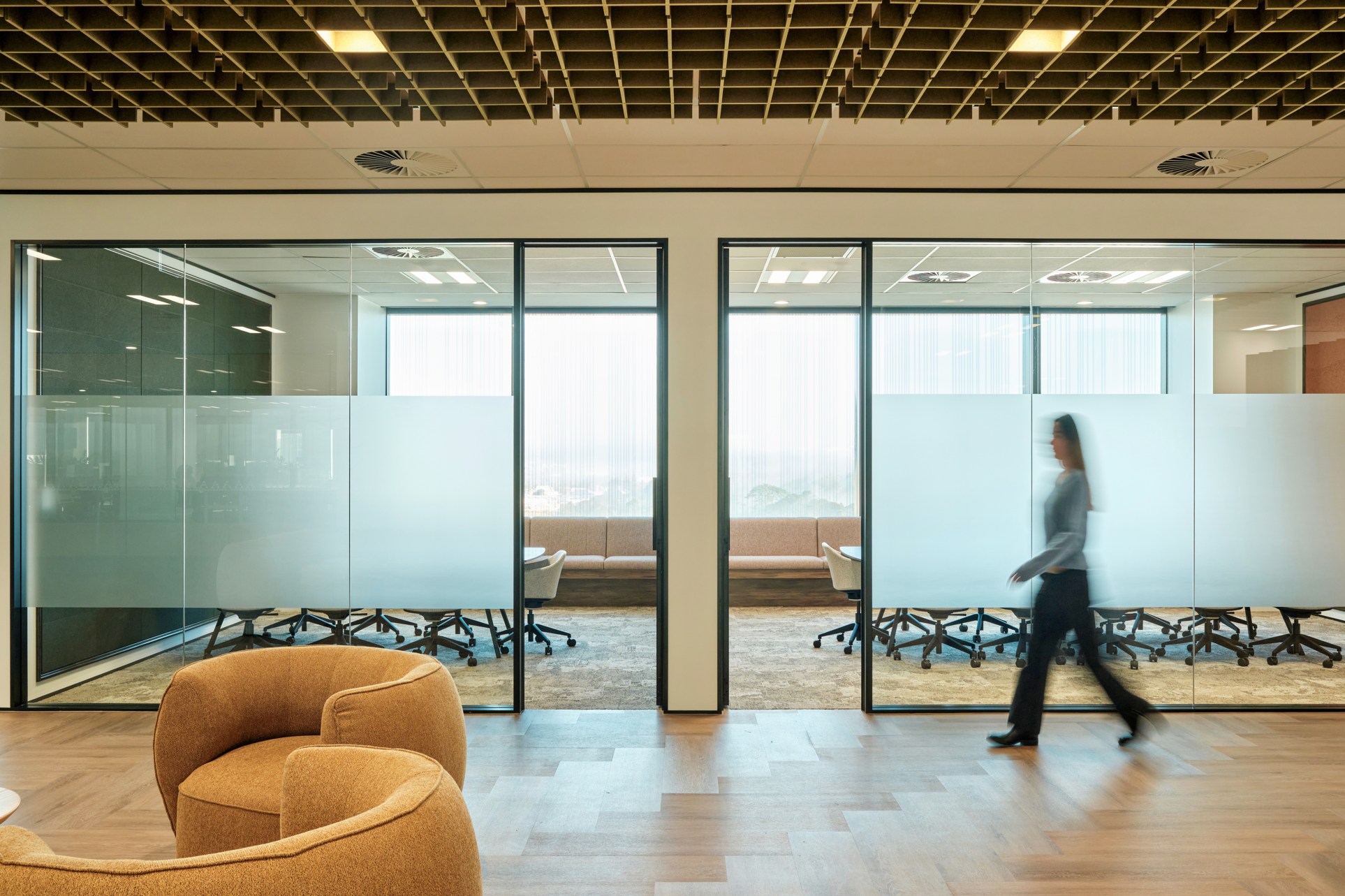
Natural light optimisation is now considered foundational rather than optional. Fitouts that position workstations to maximise access to daylight, use high-transparency glazing on internal partitions, and deploy tunable LED systems that shift colour temperature through the day are delivering measurable wellbeing benefits that static lighting cannot match.
Material texture and layering has moved to the foreground. Rough-sawn timber, brushed stone, woven natural textiles, and unfinished concrete bring a physical connection to natural materials that painted surfaces and laminates cannot replicate.
Water as a design element is appearing more frequently in New Zealand commercial fitouts, from small indoor water features to coastal colour palettes. This connects to Studio DB's broader approach to sustainable workspace design, where material decisions are made with environmental impact in mind.
Planting remains important but is being deployed more strategically. Rather than feature walls of a single species, designers are creating layered planting arrangements that more closely reflect the diversity and irregularity of natural environments.
The business case for biophilic design lands differently depending on who is making the decision about the fitout investment.
For CEOs and managing directors focused on growth and future-proofing, the conversation is about attracting the calibre of people needed to execute on ambitious plans. A workplace that reflects the organisation's values physically is a strategic asset.
For HR and people and culture leaders, the focus is on employee wellbeing and culture. Biophilic environments reduce stress, support mental health and signal organisational care in a way that staff can feel every day.
For facilities directors and project managers, the argument is efficiency and risk reduction. Lower absenteeism, higher sustained concentration and fewer stress-related incidents all reduce operational friction and cost.
For commercial landlords and property fund managers, biophilic design increases the attractiveness of a tenancy, supports higher retention rates and contributes to the building's overall appeal to quality occupiers.
Studio DB delivers biophilic workplace design across New Zealand, with projects spanning Auckland, Wellington, Christchurch, Whangarei and regional centres. Each market has its own commercial property context and each brings different opportunities for nature-led design.
In Auckland, where commercial fitout demand is concentrated across precincts like Britomart, Wynyard Quarter, Parnell and Newmarket, biophilic design is increasingly part of the brief for corporates seeking to differentiate their workplace and attract top talent in a competitive CBD market.
In Wellington, government agencies and professional services firms are investing in workplace environments that support hybrid working and organisational culture. Biophilic elements that improve air quality, reduce noise and support focused work are particularly valued in the compact floor plates typical of Wellington's commercial buildings.
In Christchurch, post-rebuild commercial development has created strong demand for modern, high-performing workplaces. Biophilic design is well suited to the newer building stock in the central city, where generous floor plates and contemporary glazing systems make natural light integration more achievable.
Across all markets, Studio DB's approach is the same. Understand the organisation, understand the space, and design a biophilic environment that performs for the people who use it every day.
The most effective biophilic fitouts are those where natural elements are integrated into the spatial brief from the start rather than added as a finishing layer. When biophilic thinking informs the layout, the materiality decisions, the lighting strategy and the acoustic design simultaneously, the result is a workplace that feels coherently connected to the natural world.
That integration requires the design team to understand both the physical constraints of the space and the organisation's operational needs before biophilic elements are specified. A deep open-plan floor with no natural light access needs a fundamentally different approach to a space with generous glazing and exterior views.
Studio DB approaches biophilic design as part of the broader workplace strategy process. Learn more about how we develop people-centric workplace strategies here.
In 2026, biophilic design has moved beyond green walls and decorative plants into a fully integrated approach to workplace design. It encompasses natural light optimisation, material selection, acoustic design, water features, circadian lighting systems and spatial patterns that reflect the natural world. The focus is on measurable outcomes for employee productivity and wellbeing rather than aesthetics alone.
Biophilic design supports environmental outcomes through sustainable material selection, reduced energy consumption via natural light maximisation, improved indoor air quality through planting, and lower operational carbon footprints. For New Zealand organisations with sustainability commitments, it provides a practical design framework that delivers both environmental and commercial benefits.
Research consistently links biophilic workplace environments to reduced stress, lower anxiety and improved mood. Natural light regulates circadian rhythms, planting reduces cortisol levels, and natural materials create a calmer sensory environment. For organisations managing high workloads and change programmes, a biophilic workplace provides measurable support for staff mental wellbeing.
Biophilic principles can be applied at any scale. A full fitout allows natural elements to be integrated from the ground up. A refresh or refurbishment can introduce natural materials, improved lighting and strategic planting without a full rebuild. Studio DB works with organisations at all stages of their workplace journey to identify where biophilic investment will deliver the greatest return.
The main considerations are maintenance, cost and feasibility. Living walls and planting installations require ongoing care. Some elements such as water features or significant natural stone add cost. In spaces with limited natural light or ventilation, certain approaches are less practical. Studio DB's role is to identify which biophilic interventions are feasible and worthwhile for a specific space and budget, rather than applying a standard template.
Studio DB is one of New Zealand's most experienced commercial fitout and workplace design studios, with biophilic design integrated across projects in Auckland, Wellington, Christchurch and Whangarei. Contact the team here to discuss your next workplace project.
No. Planting is one element but the approach also encompasses natural light, natural materials like timber and stone, water features, acoustic design using natural materials, colour palettes drawn from natural environments and spatial patterns that reflect the irregularity found in nature.
Yes. In spaces with limited access to natural light, tunable LED systems that mimic daylight cycles, natural material selection, planting and water elements can all deliver biophilic benefits. The strategy simply needs to be adapted to the specific constraints of the space.

Biophilic design has been part of the workplace conversation for years. But in 2026, the way New Zealand organisations are approaching it has shifted significantly. The green wall moment has passed. What is emerging in its place is a more considered, evidence-based approach to connecting workplaces with nature, one that goes well beyond aesthetics and into the measurable business outcomes that matter to senior decision-makers.
For organisations investing in a commercial fitout or workplace transformation in Auckland, Wellington, Christchurch or beyond, understanding the current direction of biophilic design is not just a matter of staying on trend. To understand the foundations of this approach, read our introduction to biophilic design here. This article builds on that with the 2026 commercial business case.
Biophilic design is the practice of connecting built environments to the natural world. In its early commercial applications it was largely visual, plants in lobbies, living walls in reception areas, a few timber elements to soften an otherwise corporate interior. Those elements still have their place, but the 2026 approach is more integrated and more intentional.
The current direction draws on a broader palette of natural references. Ocean-inspired environments, natural stone, water features, layered lighting that mimics the shift from morning to afternoon, ventilation design that brings fresh air through the space, acoustic treatment using natural materials, and views to the exterior wherever the building allows.
Studio DB has been incorporating biophilic principles into commercial fitouts across New Zealand for decades. See how we approach biophilia as a discipline here.
For New Zealand organisations, the local context matters. The country's relationship with its natural environment is embedded in culture and identity. A workplace that acknowledges and reflects that connection, whether in a Britomart tower in Auckland, a Wellington waterfront office or a Christchurch commercial precinct, resonates with people in a way that imported design trends often do not.
The strongest argument for biophilic design in 2026 is not aesthetic. It is economic. A growing body of research connects nature-informed workplace environments to measurable improvements in the outcomes that organisations care most about.
Productivity is the headline finding. Studies consistently show that employees working in environments with natural light, plants, natural materials and views to green space report higher concentration levels and produce better quality work over sustained periods. The mechanism is physiological: natural environments reduce cortisol levels, lower stress responses, and allow the brain to restore attention capacity that focused work depletes.
Absenteeism is the second major factor. Workplaces designed with biophilic principles report lower rates of sick leave and stress-related absence. For large New Zealand organisations with significant headcount, the cost difference compounds quickly. A reduction of even one sick day per employee per year across a workforce of 200 people represents a meaningful return on the fitout investment.
Talent attraction and retention is the third consideration. In a competitive New Zealand labour market, the physical environment of an office is a tangible signal of how an organisation values its people. This connects directly to workplace strategy, which Studio DB integrates into every fitout project.
The visual language of biophilic design has broadened considerably. Organisations that invested in large-scale green walls five years ago are now refreshing those spaces with approaches that are more varied and often more subtle.
Natural light optimisation is now considered foundational rather than optional. Fitouts that position workstations to maximise access to daylight, use high-transparency glazing on internal partitions, and deploy tunable LED systems that shift colour temperature through the day are delivering measurable wellbeing benefits that static lighting cannot match.
Material texture and layering has moved to the foreground. Rough-sawn timber, brushed stone, woven natural textiles, and unfinished concrete bring a physical connection to natural materials that painted surfaces and laminates cannot replicate.
Water as a design element is appearing more frequently in New Zealand commercial fitouts, from small indoor water features to coastal colour palettes. This connects to Studio DB's broader approach to sustainable workspace design, where material decisions are made with environmental impact in mind.
Planting remains important but is being deployed more strategically. Rather than feature walls of a single species, designers are creating layered planting arrangements that more closely reflect the diversity and irregularity of natural environments.
The business case for biophilic design lands differently depending on who is making the decision about the fitout investment.
For CEOs and managing directors focused on growth and future-proofing, the conversation is about attracting the calibre of people needed to execute on ambitious plans. A workplace that reflects the organisation's values physically is a strategic asset.
For HR and people and culture leaders, the focus is on employee wellbeing and culture. Biophilic environments reduce stress, support mental health and signal organisational care in a way that staff can feel every day.
For facilities directors and project managers, the argument is efficiency and risk reduction. Lower absenteeism, higher sustained concentration and fewer stress-related incidents all reduce operational friction and cost.
For commercial landlords and property fund managers, biophilic design increases the attractiveness of a tenancy, supports higher retention rates and contributes to the building's overall appeal to quality occupiers.
Studio DB delivers biophilic workplace design across New Zealand, with projects spanning Auckland, Wellington, Christchurch, Whangarei and regional centres. Each market has its own commercial property context and each brings different opportunities for nature-led design.
In Auckland, where commercial fitout demand is concentrated across precincts like Britomart, Wynyard Quarter, Parnell and Newmarket, biophilic design is increasingly part of the brief for corporates seeking to differentiate their workplace and attract top talent in a competitive CBD market.
In Wellington, government agencies and professional services firms are investing in workplace environments that support hybrid working and organisational culture. Biophilic elements that improve air quality, reduce noise and support focused work are particularly valued in the compact floor plates typical of Wellington's commercial buildings.
In Christchurch, post-rebuild commercial development has created strong demand for modern, high-performing workplaces. Biophilic design is well suited to the newer building stock in the central city, where generous floor plates and contemporary glazing systems make natural light integration more achievable.
Across all markets, Studio DB's approach is the same. Understand the organisation, understand the space, and design a biophilic environment that performs for the people who use it every day.
The most effective biophilic fitouts are those where natural elements are integrated into the spatial brief from the start rather than added as a finishing layer. When biophilic thinking informs the layout, the materiality decisions, the lighting strategy and the acoustic design simultaneously, the result is a workplace that feels coherently connected to the natural world.
That integration requires the design team to understand both the physical constraints of the space and the organisation's operational needs before biophilic elements are specified. A deep open-plan floor with no natural light access needs a fundamentally different approach to a space with generous glazing and exterior views.
Studio DB approaches biophilic design as part of the broader workplace strategy process. Learn more about how we develop people-centric workplace strategies here.
In 2026, biophilic design has moved beyond green walls and decorative plants into a fully integrated approach to workplace design. It encompasses natural light optimisation, material selection, acoustic design, water features, circadian lighting systems and spatial patterns that reflect the natural world. The focus is on measurable outcomes for employee productivity and wellbeing rather than aesthetics alone.
Biophilic design supports environmental outcomes through sustainable material selection, reduced energy consumption via natural light maximisation, improved indoor air quality through planting, and lower operational carbon footprints. For New Zealand organisations with sustainability commitments, it provides a practical design framework that delivers both environmental and commercial benefits.
Research consistently links biophilic workplace environments to reduced stress, lower anxiety and improved mood. Natural light regulates circadian rhythms, planting reduces cortisol levels, and natural materials create a calmer sensory environment. For organisations managing high workloads and change programmes, a biophilic workplace provides measurable support for staff mental wellbeing.
Biophilic principles can be applied at any scale. A full fitout allows natural elements to be integrated from the ground up. A refresh or refurbishment can introduce natural materials, improved lighting and strategic planting without a full rebuild. Studio DB works with organisations at all stages of their workplace journey to identify where biophilic investment will deliver the greatest return.
The main considerations are maintenance, cost and feasibility. Living walls and planting installations require ongoing care. Some elements such as water features or significant natural stone add cost. In spaces with limited natural light or ventilation, certain approaches are less practical. Studio DB's role is to identify which biophilic interventions are feasible and worthwhile for a specific space and budget, rather than applying a standard template.
Studio DB is one of New Zealand's most experienced commercial fitout and workplace design studios, with biophilic design integrated across projects in Auckland, Wellington, Christchurch and Whangarei. Contact the team here to discuss your next workplace project.
No. Planting is one element but the approach also encompasses natural light, natural materials like timber and stone, water features, acoustic design using natural materials, colour palettes drawn from natural environments and spatial patterns that reflect the irregularity found in nature.
Yes. In spaces with limited access to natural light, tunable LED systems that mimic daylight cycles, natural material selection, planting and water elements can all deliver biophilic benefits. The strategy simply needs to be adapted to the specific constraints of the space.

Our thinking
Tell us what’s on your mind. Give us a call or send an email. Whatever works best.